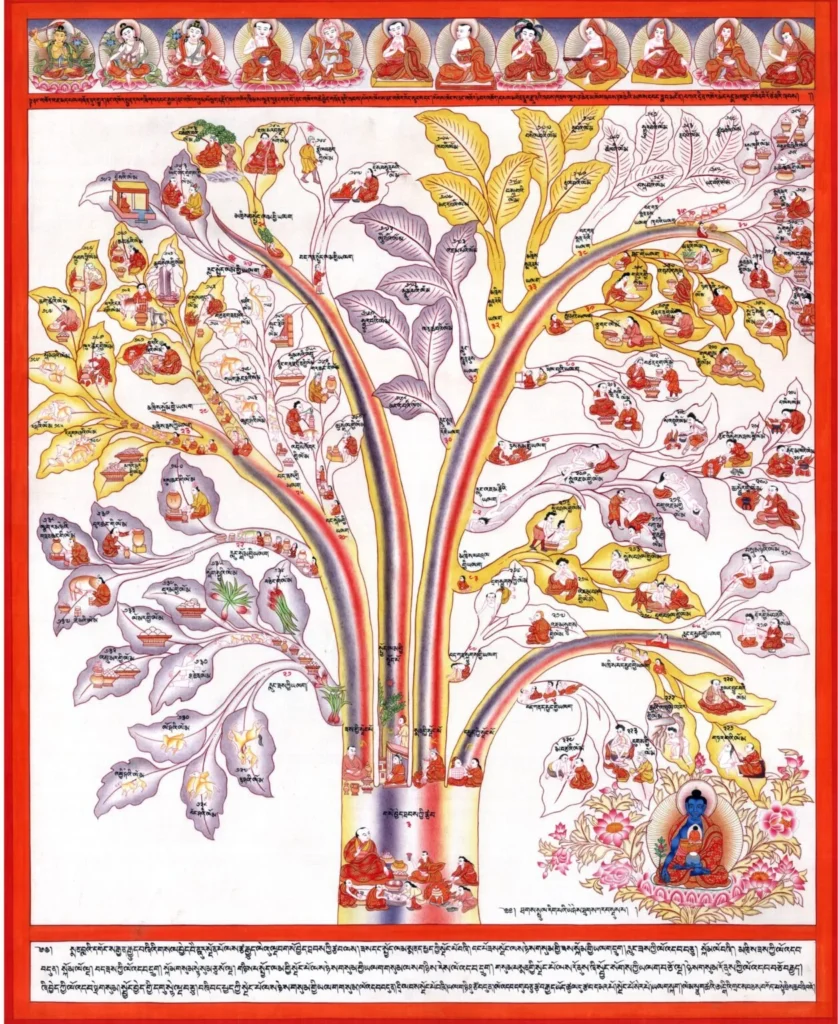
In traditional Tibetan medicine (Sowa Rigpa), treatment is aimed at restoringdynamic equilibrium among the three humors (Lung, Tripa, and Beken) andpacifying the underlying "Three Mental Poisons" (attachment, aversion, anddelusion). Rather than merely treating localized symptoms, Tibetan therapeuticsaddress the whole person—integrating physical, environmental, and spiritualinterventions.The Four Tiers of TreatmentTibetan medical philosophy employs a progressive, four-tiered therapeutichierarchy. A physician always begins with the gentlest, least invasiveinterventions before advancing to stronger measures.
1. Dietary Modification (Zas)
Diet is considered the primary defense and first line of treatment. Specific foods are prescribed or restricted based on their tastes (Ro) and elemental potencies (Nus-pa) to counteract humor imbalances:
1. Lung (Wind) Disorders: Treated with warm, nutritious, rich, and oily foods (e.g., , warm milk, garlic, ghee, bone broth) to ground erratic energy.
2. Tripa (Bile/Heat) Disorders: Treated with cool, bland, and soothing foods (e.g., cucumber, barley, dandelion tea) to clear inflammatory heat.
3. Beken (Phlegm/Cold) Disorders: Treated with light, warm, and pungent foods (e.g., honey, ginger, roasted grain, spices) to stimulate sluggish metabolism.
2. Behavioral and Lifestyle Adjustment (Spyod-lam)
If dietary shifts are insufficient, lifestyle habits are modified to realign the patient with natural rhythms: 1. Physical Regulation: Adjusting sleep schedules, exercise intensity, and exposure to environmental conditions (sunlight, wind, cold). 2. Mental and Spiritual Practice: Incorporating meditation, breathing exercises (Pranayama), and mantra recitation to calm psychological agitation and reduce stress-induced humor flares.
3.Herbal Pharmacology (Sman)
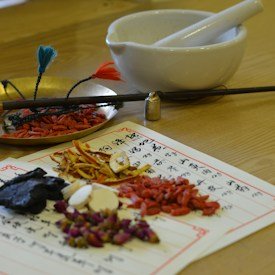
When lifestyle changes are not enough, complex compound medicines are introduced. Tibetan pharmacology utilizes a rich materia medica consisting of alpine herbs, minerals, and natural compounds: 1 Polyherbal Formulas: Medicines are rarely prescribed as single herbs. Formulations combine a "king" ingredient targeting the primary illness, "ministers & quot; supporting its action, and "assistants" mitigating side effects. 2. Precious Pills (Rinchen Rilbu): Complex detoxified formulations containing detoxified gems, and rare botanicals, reserved for severe, chronic, or neurological conditions. 3. Delivery Forms: Herbal formulas are administered as decoctions, powders, pills, herbal teas, or medicinal wines.
4. External Therapies (pyi-dpyad)
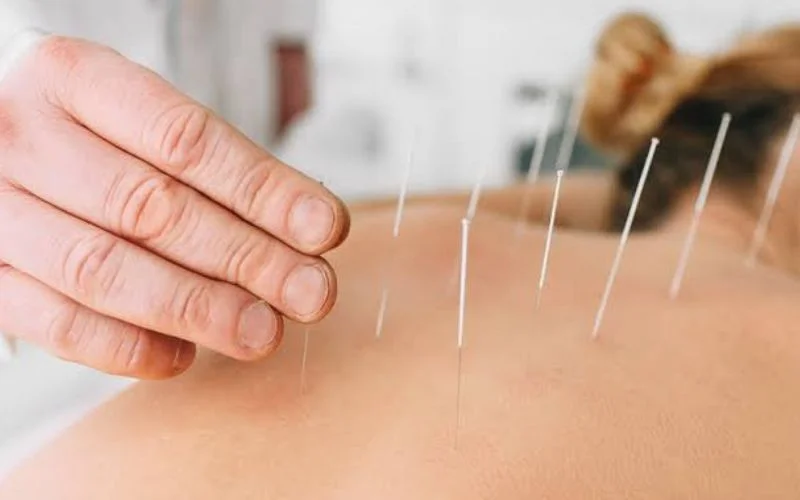
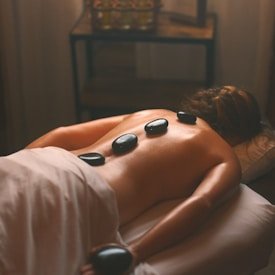
Reserved for persistent, acute, or deep-seated imbalances, external therapies are categorized into gentle and invasive techniques: 1.Non-Invasive Therapies: Moxibustion (Metsa): Burning small cones of dried mugwort over specific meridian points to introduce heat, ideal for cold Beken or Lung conditions. o Ku-Nye Massage: Traditional oil massage using herbal oils to soothe the nervous system. o Medicinal Baths (Lums): Soaking in herbal decoctions to relieve arthritis, skin diseases, and joint stiffness. o Golden Needle Therapy: Applying a heated gold needle to specific energy points.
2. Invasive Therapies: Bloodletting (Tar-ga) or minor surgical cauterization, strictly used for severe Tripa (blood/heat) toxicity under expert guidance
Ultimate Purpose
Every treatment strategy in Sowa Rigpa is tailored to whether a condition is of a hot or cold nature. By systematically clearing toxins and restoring humoral harmony, Tibetan treatment frees the individual from physical pain so they can cultivate mental peace and spiritual growth.