About Us
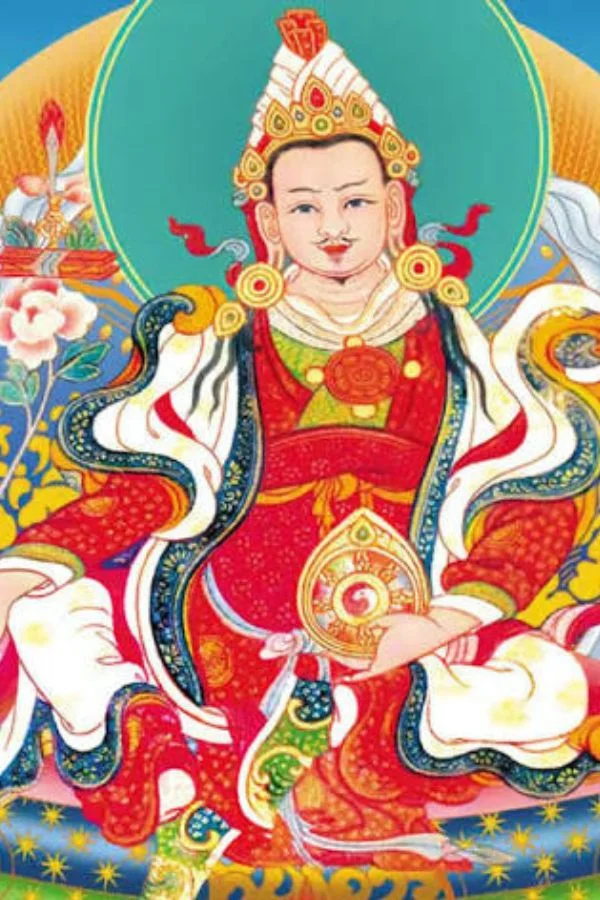
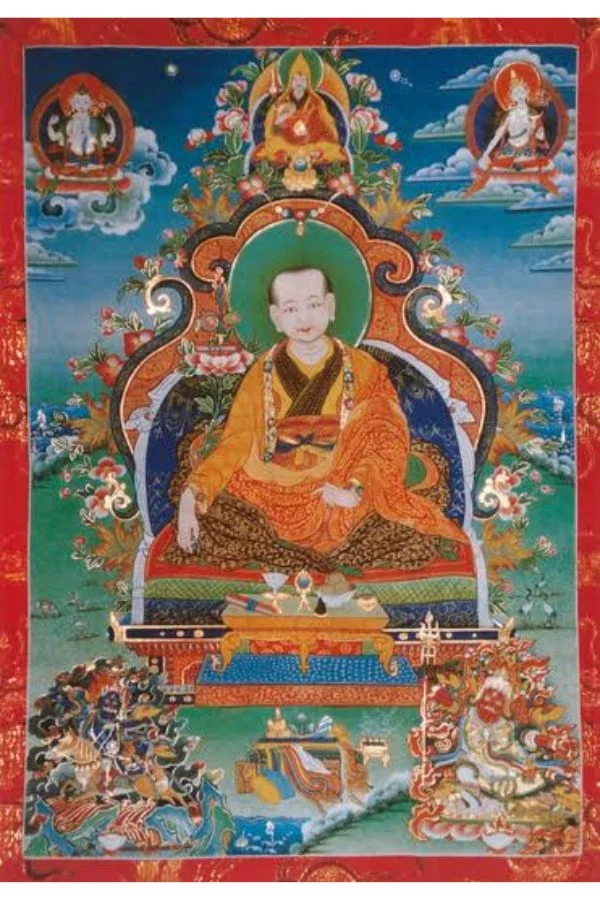
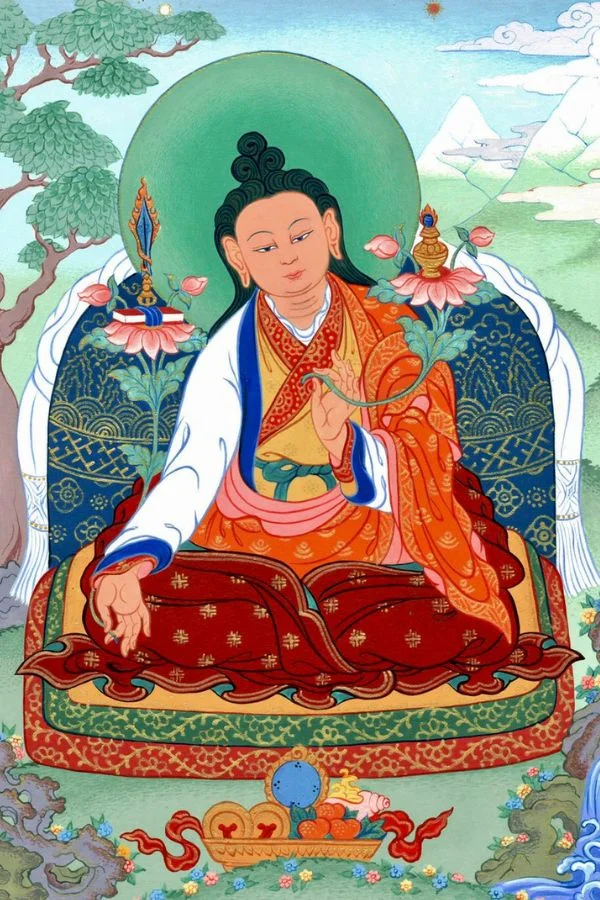
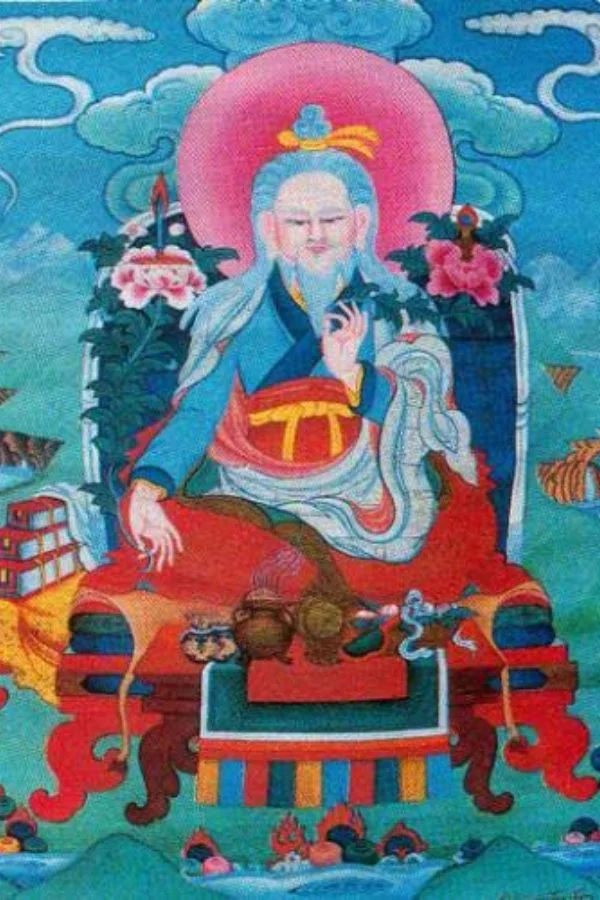
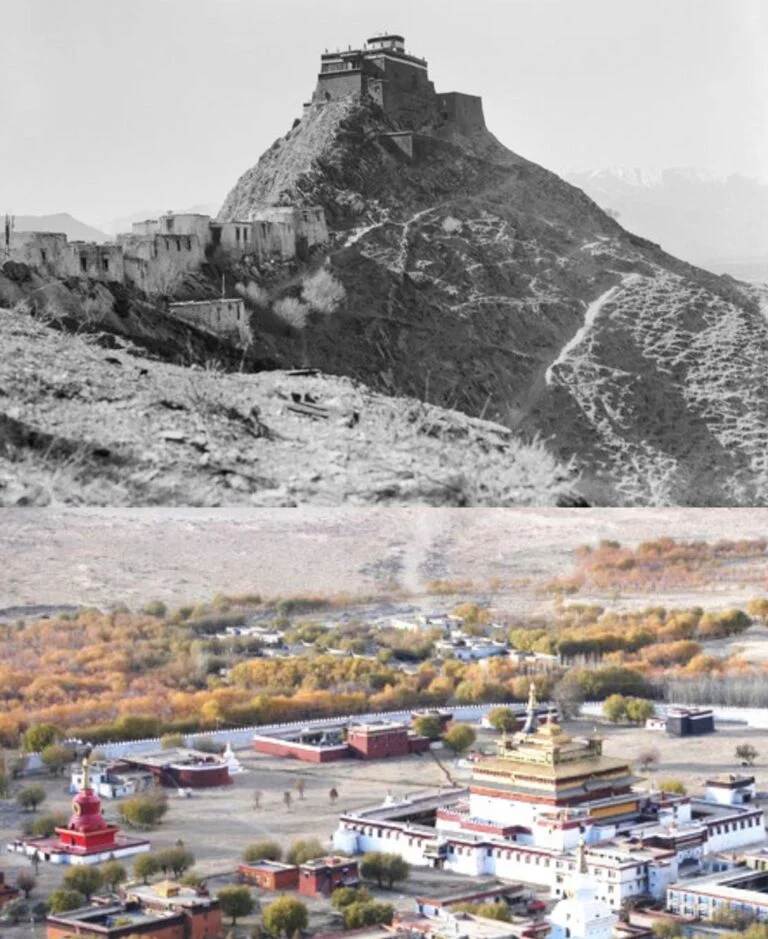
Tibetan medicine has a history spanning nearly three millennia, with roots in Tibet’s indigenous Bon tradition and later enriched through exchanges with Indian, Chinese, Nepalese, Persian, and Central Asian medical traditions. During the reign of Emperor Srong-Tsan-Gangpo (615–650), medical experts from neighbouring countries were invited to Tibet to exchange knowledge. In the 8th century, Emperor Trisong-Deutsen organized a major medical conference at Samye Monastery, bringing together eminent physicians from different regions. Elder Yuthog Yonten Gonpo (708–833) and other Tibetan physicians represented Tibet, making this gathering an important milestone in the international exchange of medical knowledge. Over the following centuries, renowned scholars such as Junior Yuthog Yonten Gonpo, Jangpa Namgyal Dragsang, and Zurkhar Nyamnyi Dorjee further developed and documented Tibetan medical traditions.A significant milestone came under Sangye Gyatso (1653–1706), who wrote the renowned Vaidurya sNgon-po (Blue Beryl), an important commentary on the foundational rGyud-bZhi texts, commissioned detailed medical thangka paintings, and established Chagpori Medical College in Lhasa in 1696. In 1916, the Great Thirteenth Dalai Lama established the Lhasa Men-Tsee-Khang Medical Institute, further strengthening institutional education and research. Physician Khyenrab Norbu contributed extensively through his studies and writings, training many physicians who later helped preserve and continue Tibetan medicine in exile. Through these generations of scholars, physicians, texts, teaching institutions, and international knowledge exchange, Tibetan medicine has maintained a rich and distinctive medical heritage.
Establishment of Tibetan medical institutions in Exile
Following the Chinese occupation of Tibet, His Holiness the 14th Dalai Lama and thousands of Tibetans sought refuge in India. Recognizing the importance of preserving Tibet’s cultural, spiritual, and medical heritage, His Holiness initiated the re-establishment of traditional institutions in exile. One of the earliest was Men-Tsee-Khang, the Tibetan Medical and Astro Institute, re-established in Dharamsala in 1961. It has since become a major centre for preserving, promoting, researching, and teaching Tibetan medicine, with departments covering medical education, pharmacy, research, herbal medicine, documentation, and traditional knowledge, along with numerous clinics across India.
Other important institutions also helped strengthen Tibetan medicine in India. Chagpori Tibetan Medical Institute was re-established in Darjeeling in 1992, continuing the legacy of the historic Chagpori Medical College. Departments dedicated to Tibetan medicine were subsequently established at institutions in Leh, Sarnath, and Namgyal Institute of Tibetology. In 2020, the Men-Tsee-Khang Medical College and Hospital was established in Bengaluru, further expanding opportunities for education, healthcare, and research. Together, these institutions have played a vital role in safeguarding and carrying forward the Tibetan medical tradition in exile.
Recognition of Tibetian medical system by the Goverment of Indian
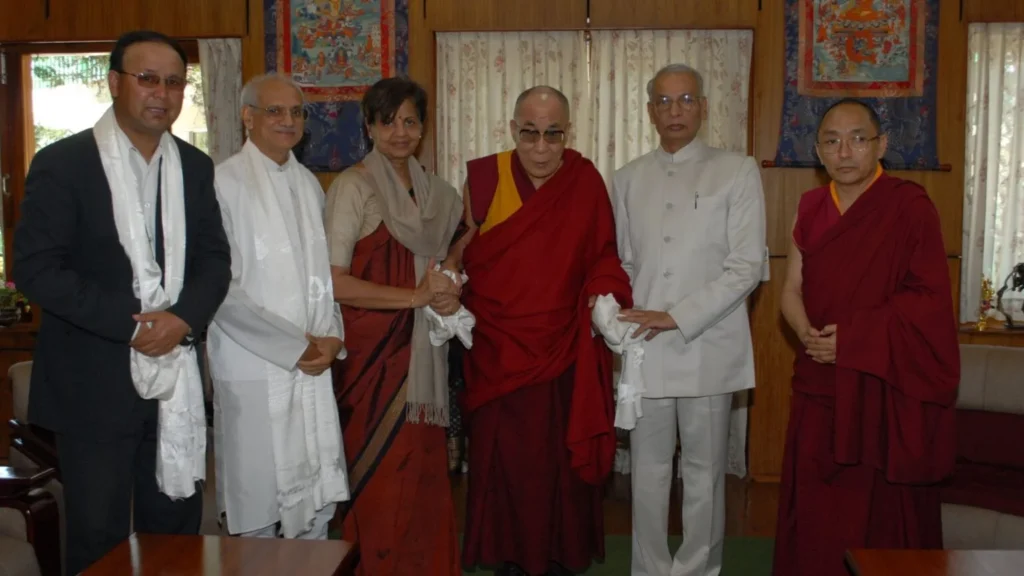
The Tibetan medical tradition has been widely practiced in Tibetan community and also in Indian Himalayan region, where it has been a part or their culture for centuries received from Tibet. It is also found in various other places in India. In the month of April, 2007, during a private audience with His Holiness the Dalai Lama, he directed the Vice Chancellor of Central Institute of Higher Tibetan Studies, Sarnath, Varanasi, to obtain recognition of the Tibetan medical system from the Government of India. He then contacted the then Secretary of the ministry of Ayush. The Ministry constituted an expert committee to prepare a report addressing five points to justify the recognition. With an intensive and extensive exercise in 8 months, the Committee, headed by the VC of the Institute, summitted a comprehensive report in two volumes. The Ministry of AYUSH took the matter to the cabinet and thereafter, as per law, it has to be approved by the Parliament. To put the matter in the parliament, the Parliamentary Standing Committee, comprising members from both houses scrutinizes the system thoroughly, for which related persons are called to make presentation and clarify their queries. On 28 July, 2010: a formal meeting was called at Rajya Sabha Secretariat, Parliament of India, Parliament House Annexe, New Delhi. During the meeting, the VC gave a presentation for about forty minutes on the history and system of Sowa-Rigpa, its scientific nature, philosophy, theory and practice and the countries where it is being practiced. Questions raised by the Hon’ble Members were answered. The Chairman and the members appreciated the presentation. The Proceedings were recorded in the Parliament. The Sowa-Rigpa (Tibetan medical system) was later approved by both the Houses of the Parliament and accordingly amendment was made in the Central Council of Indian Medicine vide Government of India Gazette No. 2345 dated 12.12.2011. F.No.- V27011/04/2008-Ay.Desk/EP(IM-2). After obtaining the recognition, the team had an audience with His Holiness the Dalai Lama in 2012.