Following are the therapy services provided at the Sorig Tibetan Medical Centre:
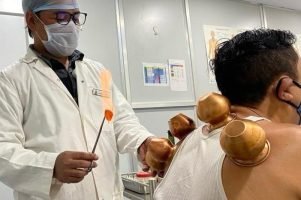
copper cupping therapy
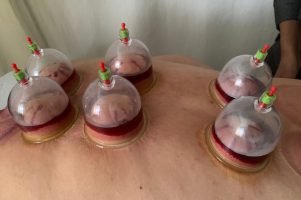
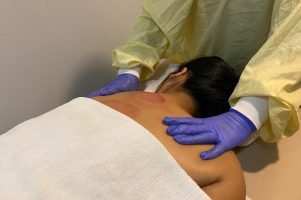
Cupping therapy: In Tibetan medicine, cupping (zang-bum) therapy is mainly used to relieve acute or chronic pain. It improves the blood circulation and balance of lung and eases pain and blockages. It is also traditionally used for conditions linked to excess or imbalanced humors, such as back, neck, and joint pain,headaches, swelling and stiffness.
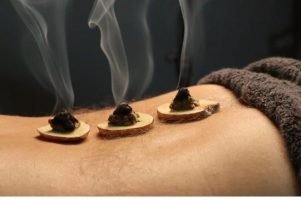
Moxibustion
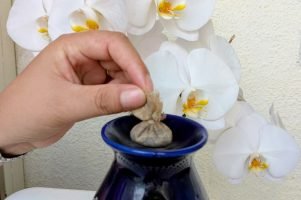
Moxibustion: In Tibetan medical systems, moxibustion is used for several purposes, including: Pain Relief: It helps alleviate various types of pain, including joint and muscle pain, by increasing blood flow and promoting healing. Digestive Issues: Moxibustion can be used to treat digestive problems, supporting the function of the spleen and stomach. Reproductive Health: It is often employed to assist with menstrual disorders and to enhance fertility by stimulating blood flow to the reproductive organs. Cold and Weakness Conditions: In Tibetan medicine, moxibustion is particularly effective for conditions characterized by cold or deficiency, such as weakness, low energy, and certain chronic ailments. Strengthening Immunity: The warming effect of moxibustion can bolster the immune system and overall vitality. related diseases and reducing plasma disorders.
blood letting therapy
Venesection: In Tibetan medicine, venesection, or bloodletting, is a therapeutic practice that involves the intentional drawing of blood from the body. It has several applications, including: Removal of Excess Blood: It is primarily used to alleviate conditions associated with excess blood or heat in the body, such as hypertension and inflammatory disorders. Treatment of Headaches and Migraines: Venesection is often employed to relieve severe headaches, migraines, and conditions related to blood stagnation. Balancing Humors: Tibetan medicine operates on the principle of balancing the three humors (Wind, Bile, and Phlegm). Bloodletting can help restore this balance by reducing overheating conditions related to Bile. Detoxification: The practice is believed to help in removing toxins from the bloodstream, thereby cleansing the body and enhancing overall health. Improving Circulation: By drawing blood, venesection may help improve circulation and alleviate symptoms related to blood stagnation.
Compression Therapy
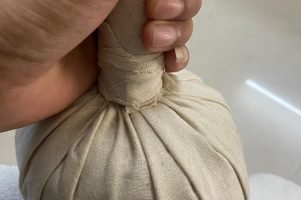
Compression Therapy (Dugs): In Traditional Tibetan Medicine, compression therapy (Dugs) refers to a broad category of mild, external therapies that utilise warm or cold compresses—often filled with specific herbs, minerals, or medicinal oils—applied with moderate pressure to the body’s channels and energy points. Dugs relies on the synergistic combination of thermal energy, therapeutic herbal substances, and mechanical pressure to restore balance to the body’s three primary humors (rLung, mKhris-pa, and Bad-kan). Tibetan medicine, classifies Dugs based on the temperature and nature of the ailment. Hot Compression (Tsha Dugs) is used to treat “cold” natured disorders, poor circulation, fluid retention, stiff joints, and disturbances in the rLung (wind/stres…
hor-me
Hor-me Therapy: is a traditional therapy used in Tibetan medicine, primarily aimed at addressing “Wind disorders,” which involve psychological and emotional disturbances. This therapy is known for several key benefits: Restoration of Sleep: Hor-me helps in improving sleep quality by calming the mind and body. Tension Relief: It is effective in releasing physical and emotional tension, contributing to overall relaxation. Emotional Balance: The therapy addresses issues related to disturbances such as fear, worry, and restlessness, helping to restore psychological balance.
Hor-me can involve various techniques, including gentle massage and acupressure, and is often employed in emergencies or acute emotional distress situations. It is recognized for its role in holistic wellness within the framework of traditional Tibetan medicine.
medicated water bath
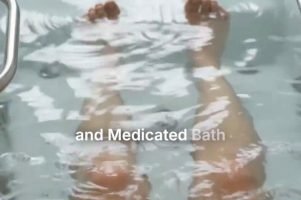
Medicated Water Bath: In Tibetan medical systems, medicated water baths are used for a range of therapeutic benefits, including: Detoxification and Cleansing: These baths help eliminate toxins from the body and promote overall health by purifying the system. Pain Relief: Medicated water baths are often employed to alleviate pain, particularly in conditions like arthritis, by reducing inflammation and improving joint mobility. Balancing Body and Mind: The therapy is believed to help balance the physical and spiritual aspects of a person, promoting harmony and well-being. Enhancing Immune Function: Evidence suggests that medicated baths can improve immune responses, making them beneficial for overall health. Skin Conditions: The infusion of specific medicinal herbs can assist in treating various skin ailments by soothing irritations and promoting healing.
medicated steam bath
Medicated Steam Bath: In Tibetan medical systems, medicated steam baths are used for various therapeutic purposes, including: Respiratory Health: The steam can help alleviate respiratory conditions such as asthma, bronchitis, and sinusitis by opening the airways and promoting easier breathing. Detoxification: The warmth and steam induce sweating, which aids in the elimination of toxins and impurities from the body. Muscle and Joint Pain Relief: The heat from the steam can help relax muscles, reduce stiffness, and alleviate joint pain, making it beneficial for conditions like arthritis. Skin Treatment: Medicated steam baths can improve skin health by opening pores, promoting circulation, and aiding in the treatment of various skin conditions, such as acne and eczema. Balancing Body Energies: The therapy is believed to help rebalance the body’s energies (or “lung” in Tibetan medicine), promoting overall harmony and well-being. Stress Relief and Relaxation: The calming effects of steam baths contribute to relaxation, reducing stress and promoting mental well-being.
Oil Massage Therapy
Oil Massage Therapy : known as Ku Nye in the Tibetan medical tradition. Its core Purposes and Benefits are balancing energetic humours, Lubricating and nourishing the body, relieving physical and mental strain, stimulating energy points, detoxification, and warmth.
deep tissue/ tuina therapy
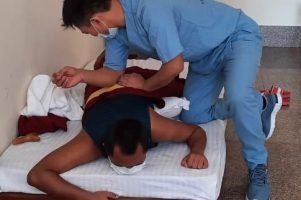
Deep tissue therapy: (or deep tissue massage) is used to target the inner layers of muscles, tendons, and fascia (the connective tissue surrounding muscles) using slow strokes and firm, direct pressure.
It is used for relieving chronic pain, breaking down adhesions (“Knots”), recovering from Injuries, improving mobility and range of motion and managing specific health conditions.
acupuncture
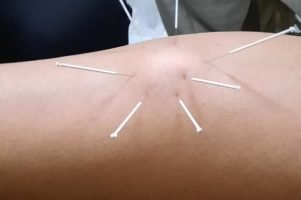
Acupuncture: It involves inserting very thin, sterile steel needles into specific points on the skin to relieve pain, reduce stress, and treat various health conditions. Rooted in traditional Chinese medicine, it aims to rebalance the flow of vital life energy—known as qi (pronounced “chee”)—along pathways called meridians to restore health. It stimulates nerve-rich areas, muscles, and connective tissues, improves local blood circulation and calms the nervous system.