Philosophy
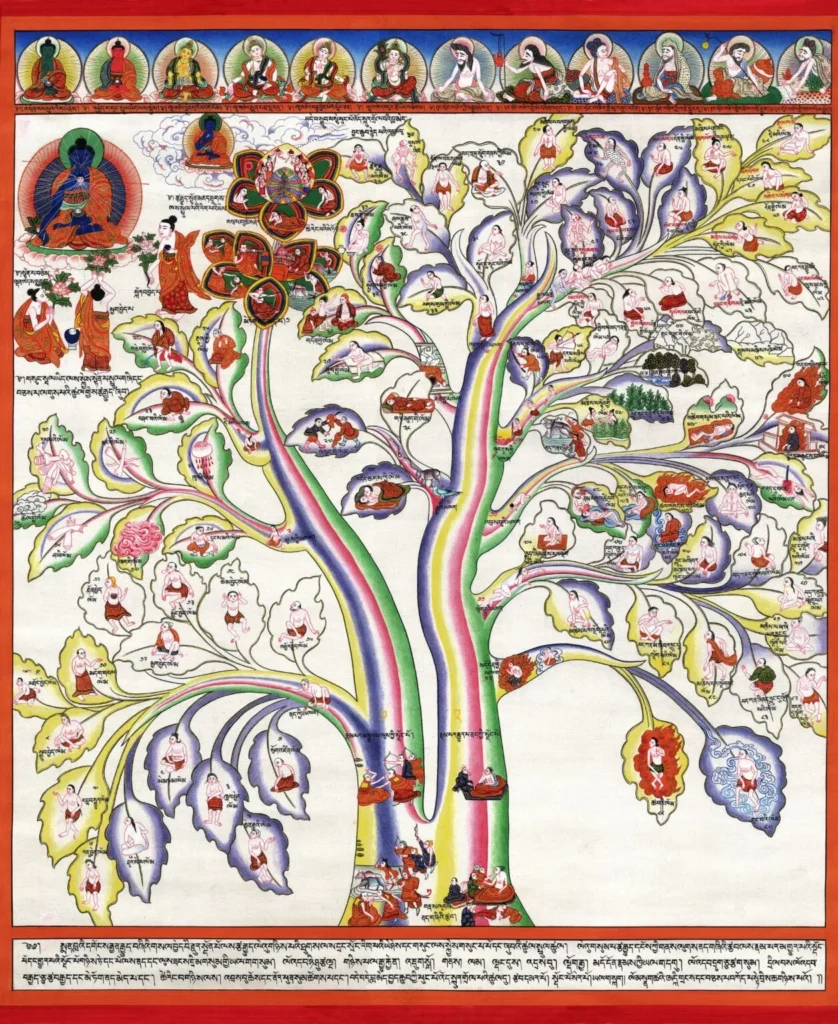
Traditional Tibetan medicine, known as Sowa Rigpa ("the science of healing& quot is a complete medical system rooted in a holistic view of human existence.Synthesizing principles from Tibetan Buddhism, Indian Ayurveda, Chinesemedicine, and ancient Greco-Arabic systems, Sowa Rigpa defines health notmerely as the absence of somatic illness, but as a state of perfect balancebetween body and mind and the surrounding environment.After Tibet embrassed Buddhism, it significantly impacted on the traditionalmedical system particularly addressing ailments rooted to diluted mental states.1. The Primacy of the Mind and the Three Poisons The cornerstone of Tibetan medical philosophy is the seamless connection between the mind and physical health. According to the foundational text, theGyushi (Four Medical Treatises), the ultimate root cause of all suffering and disease is the ignorance (Marigpa or Avidya), a fundamental misunderstandingof the interdependent nature of reality.This ignorance gives rise to the "Three Mental Poisons,& quot; which directlycorrespond to the body & physical humors:2. Attachment (Dod-chag): Craving and desire, which imbalance the Lung(Wind) humor.3. Aversion or Anger (Zhe-sdang): Hatred and aggression, which disruptthe Tripa (Bile) humor.4. Delusion (Gti-mug): Ignorance and mental darkness, which destabilize the Beken (Phlegm) humor.In this framework, physical disease is often viewed as the tangible expression ofpsychological and mental disharmony.2. The Five Elements and the Three Humors (Nyapas)The physical universe and the human body are composed of the Five GreatElements: Earth, Water, Fire, Air, and Space. Within the body, these elementscombine to form the three physiological humors, or Nyapas, which govern allbiological, metabolic, and psychological processes:1. Lung (Wind/Air): Formed from Air and Space, Lung regulates allmovement, including respiration, neural impulses, circulation, andthought processes.2. Tripa (Bile/Fire): Formed primarily from Fire, Tripa governsthermoregulation, digestion, metabolism, liver function, and intellectualsharpness.3. Beken (Phlegm/Earth & Water): Formed from Earth and Water, Bekenmaintains physical structure, fluid balance, joint lubrication, andemotional stability.Health represents a state of dynamic equilibrium among these three nyapas,tailored to an individual’s unique constitution (Rang-bzhin). When dietarychoices, negative emotional states, improper behavior, or seasonal changesupset this proportion, ill health ensues.3. Interdependence and Ethical HealingSowa Rigpa emphasizes that the human micro-cosmos is inseparable from theenvironmental macro-cosmos. Changes in seasons, climate, diet, and socialrelations continuously interact with the humors. Consequently, healing requiresa personalized hierarchy of treatment:1. Dietary adjustments (the gentlest intervention)2. Behavioral and lifestyle changes3. Herbal and mineral pharmacopeia4. External therapies (such as moxibustion, needling, cupping, or massage)Ultimately, the philosophical objective of Tibetan medicine extends beyondphysical recovery. The physician acts as a compassionate practitioner workingto restore equilibrium so that the patient may cultivate mental clarity, fulfilltheir karmic potential, and pursue spiritual liberation (Moksha orEnlightenment). Physical health is viewed not as the final goal, but as thefoundation for spiritual growth.Type your paragraph here.